
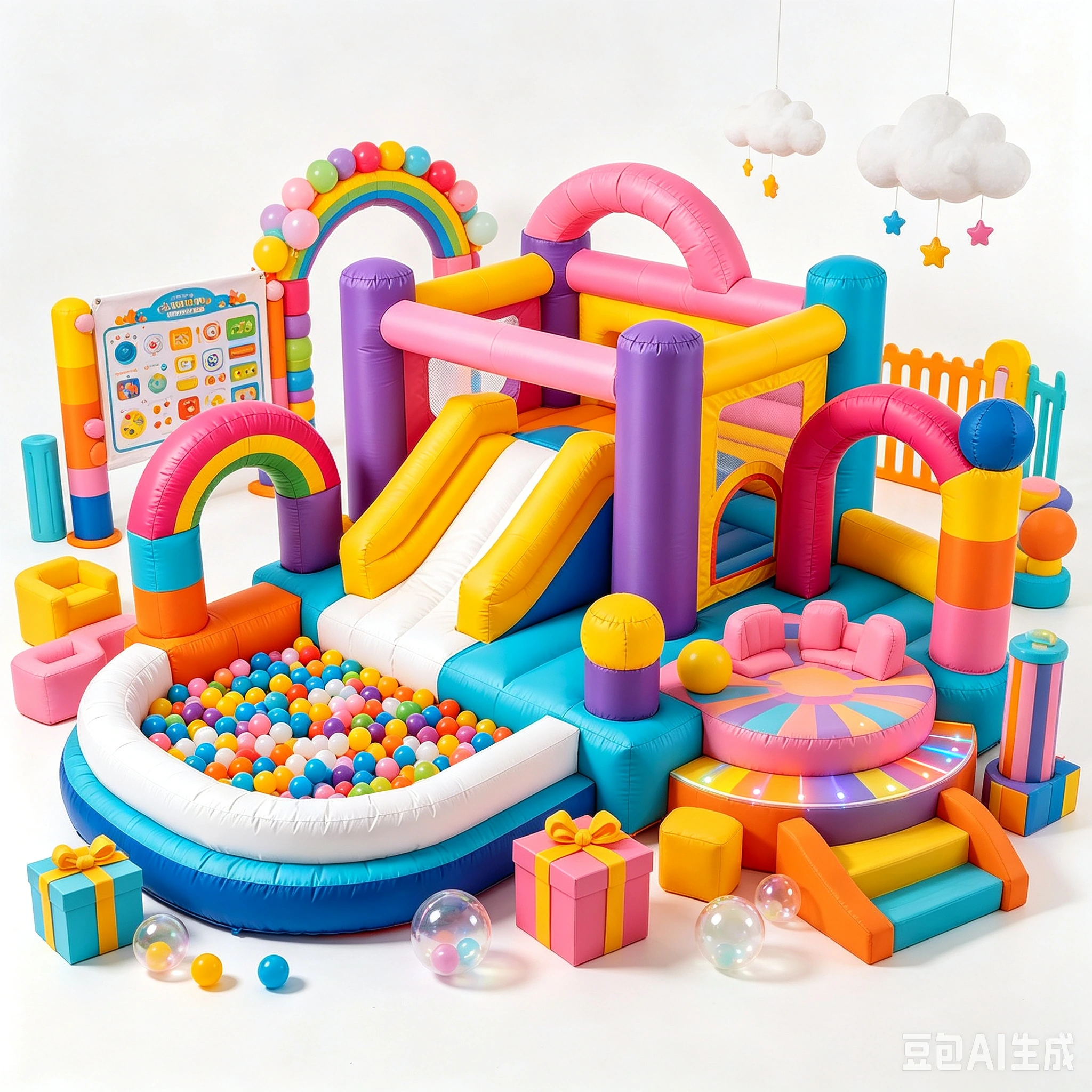
The right play mix turns a collection of attractions into a coherent guest experience. It gives different age groups a reason to participate, keeps movement comfortable at peak times and aligns the floor plan with the venue's commercial goals.
Start with the guests you expect to serve
A strong play mix begins with a clear audience profile, not an equipment list. Identify the age ranges, average visit length, peak group size and reasons families will choose the venue. A neighborhood play center may need generous toddler capacity and comfortable parent sightlines, while a destination family entertainment center can support longer, more challenging routes.
Separate the needs of toddlers, early-years children, school-age visitors and accompanying adults. Each group moves at a different pace and requires a different level of supervision. Defining those needs early prevents a large attraction from dominating the floor while important guest groups remain underserved.
Build a balanced activity portfolio
The best venues alternate energy levels and play styles. High-motion activities create excitement, imaginative zones encourage repeat play, and lower-intensity spaces give children time to reset. This variety helps a mixed group stay longer because every child can find an activity that matches their confidence and mood.
- Active play: climbing, slides, trampolines and obstacle challenges
- Social play: ball games, interactive challenges and group activities
- Imaginative play: role-play settings, themed rooms and sensory features
- Recovery space: toddler areas, quiet corners and parent seating
Plan capacity and circulation together
Capacity is more than the number of children a structure can hold. Entrances, shoe storage, party rooms, toilets, food service and seating all affect how smoothly guests move through the venue. Map the full journey from arrival to departure, then test it against a busy weekend rather than an average weekday.
Clear circulation also improves supervision. Avoid hidden pockets, narrow dead ends and crossings between very young children and fast-moving older players. Open sightlines around key decision points help staff manage behavior and help parents feel comfortable without following children into every zone.
Connect the play plan to the business model
Every major zone should support a commercial purpose: attracting a priority audience, extending dwell time, increasing return visits or creating an upgrade opportunity. Party rooms should connect conveniently to play and service areas. Premium challenges can add progression for frequent visitors, while flexible floor space can host seasonal programs without rebuilding the venue.
Review the mix against expected ticket price, staffing level and maintenance budget before concept approval. A visually impressive plan is only successful when the operator can run it consistently and guests still want to return after the first visit.
A practical planning checkpoint
Before moving into detailed design, confirm that each priority age group has a meaningful play journey, that busy zones have enough supporting capacity, and that staff can see and reach all critical areas. This checkpoint gives the design team a reliable brief and reduces expensive changes later in the project.